
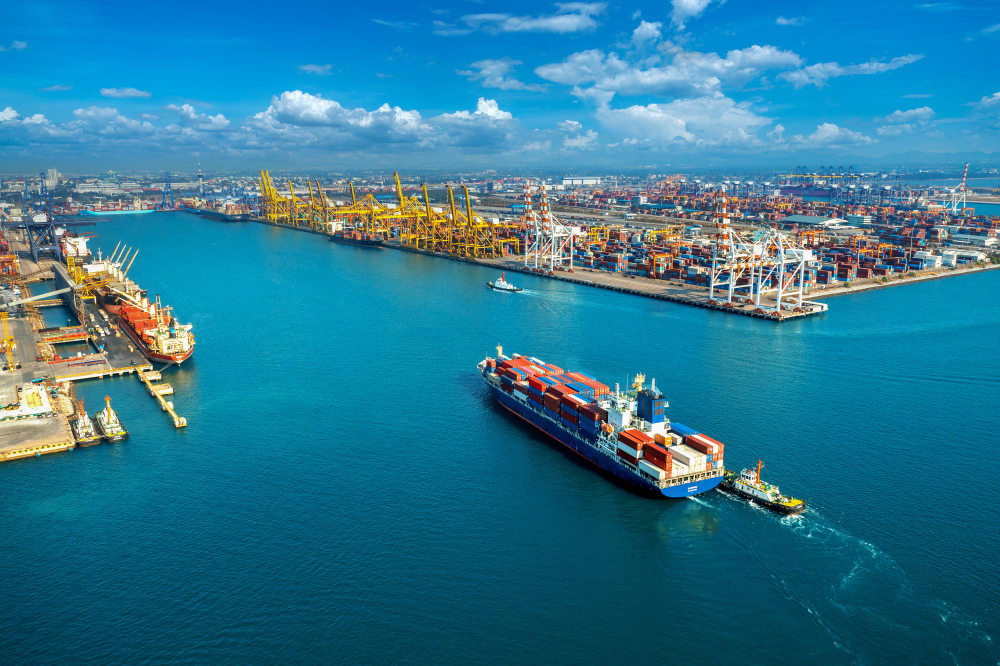
Sea freight shipping remains the backbone of global trade, enabling businesses to move large volumes of goods cost-effectively across continents. However, while ocean freight offers scalability and affordability, it also comes with operational, regulatory, and logistical challenges that can disrupt supply chains if not managed properly.
Understanding these challenges — and knowing how to overcome them — is essential for businesses relying on international shipping.
1️⃣ Port Congestion and Delays
The Challenge
Major ports worldwide frequently experience congestion due to high cargo volumes, labor shortages, or operational disruptions. This can lead to vessel delays, extended container dwell times, and increased storage costs.
The Solution
- Work with experienced logistics providers who maintain strong port relationships.
- Plan shipments well in advance during peak seasons.
- Use real-time tracking and proactive monitoring systems.
- Consider alternative ports when feasible.
Efficient coordination reduces bottlenecks and keeps cargo moving smoothly.
2️⃣ Customs Clearance Complications
The Challenge
Incorrect documentation, misclassified HS codes, or missing permits can cause customs holds, fines, and unexpected delays.
The Solution
- Ensure accurate commercial invoices and packing lists.
- Verify proper HS code classification.
- Partner with experienced customs brokers.
- Stay updated with country-specific import/export regulations.
Professional customs management significantly reduces clearance risks.
3️⃣ Rising Freight Costs and Rate Fluctuations
The Challenge
Ocean freight rates can fluctuate due to fuel costs, demand surges, geopolitical issues, or global disruptions.
The Solution
- Secure long-term contracts with reliable carriers.
- Diversify shipping routes and carrier options.
- Consolidate shipments where possible (LCL).
- Work with freight forwarders who negotiate competitive rates.
Strategic planning helps stabilize shipping expenses.
4️⃣ Container Shortages and Equipment Imbalances
The Challenge
Global container shortages can limit availability, especially during peak trade seasons.
The Solution
- Book container space early.
- Maintain flexible shipping schedules.
- Explore alternative equipment options when available.
- Coordinate closely with freight partners for priority allocation.
Advance planning prevents supply chain disruptions.
5️⃣ Cargo Damage and Handling Risks
The Challenge
Improper packing, rough handling, or long transit times can result in damaged goods.
The Solution
- Use professional packaging services.
- Opt for cargo insurance coverage.
- Choose experienced carriers with proper handling standards.
- For sensitive goods, consider reefer containers or specialized equipment.
Risk mitigation protects both financial investment and brand reputation.
6️⃣ Documentation Errors and Administrative Delays
The Challenge
Inaccurate bills of lading, incomplete shipping documents, or compliance errors can halt shipments.
The Solution
- Double-check all paperwork before submission.
- Use digital documentation systems to reduce human error.
- Partner with logistics professionals experienced in international trade documentation.
Accurate paperwork ensures seamless shipping processes.
7️⃣ Regulatory and Compliance Changes
The Challenge
International trade regulations frequently change, affecting tariffs, duties, and documentation requirements.
The Solution
- Stay informed about global trade updates.
- Work with logistics providers who monitor regulatory changes.
- Ensure compliance with environmental and safety standards.
Proactive compliance prevents costly disruptions.
8️⃣ Limited Shipment Visibility
The Challenge
Lack of real-time tracking makes it difficult to anticipate delays or plan inventory.
The Solution
- Choose logistics partners offering digital tracking systems.
- Utilize shipment visibility tools and dashboards.
- Request proactive status updates.
Greater transparency leads to better supply chain planning.
Strengthening Sea Freight Operations Through Expertise
While sea freight shipping presents challenges, most issues can be mitigated through proper planning, technology integration, and experienced logistics management.
Businesses that invest in:
- Strong freight partnerships
- Accurate documentation
- Efficient customs clearance
- Risk mitigation strategies
- Digital visibility tools
are far better positioned to maintain seamless ocean freight operations.
Conclusion
Sea freight shipping is essential for international trade, but it requires careful coordination and proactive management to avoid disruptions. From port congestion and customs delays to fluctuating freight rates, understanding these challenges allows businesses to take strategic steps toward smoother operations.
With the right logistics partner and well-planned shipping strategies, companies can overcome obstacles and maintain reliable, cost-effective ocean freight solutions.